

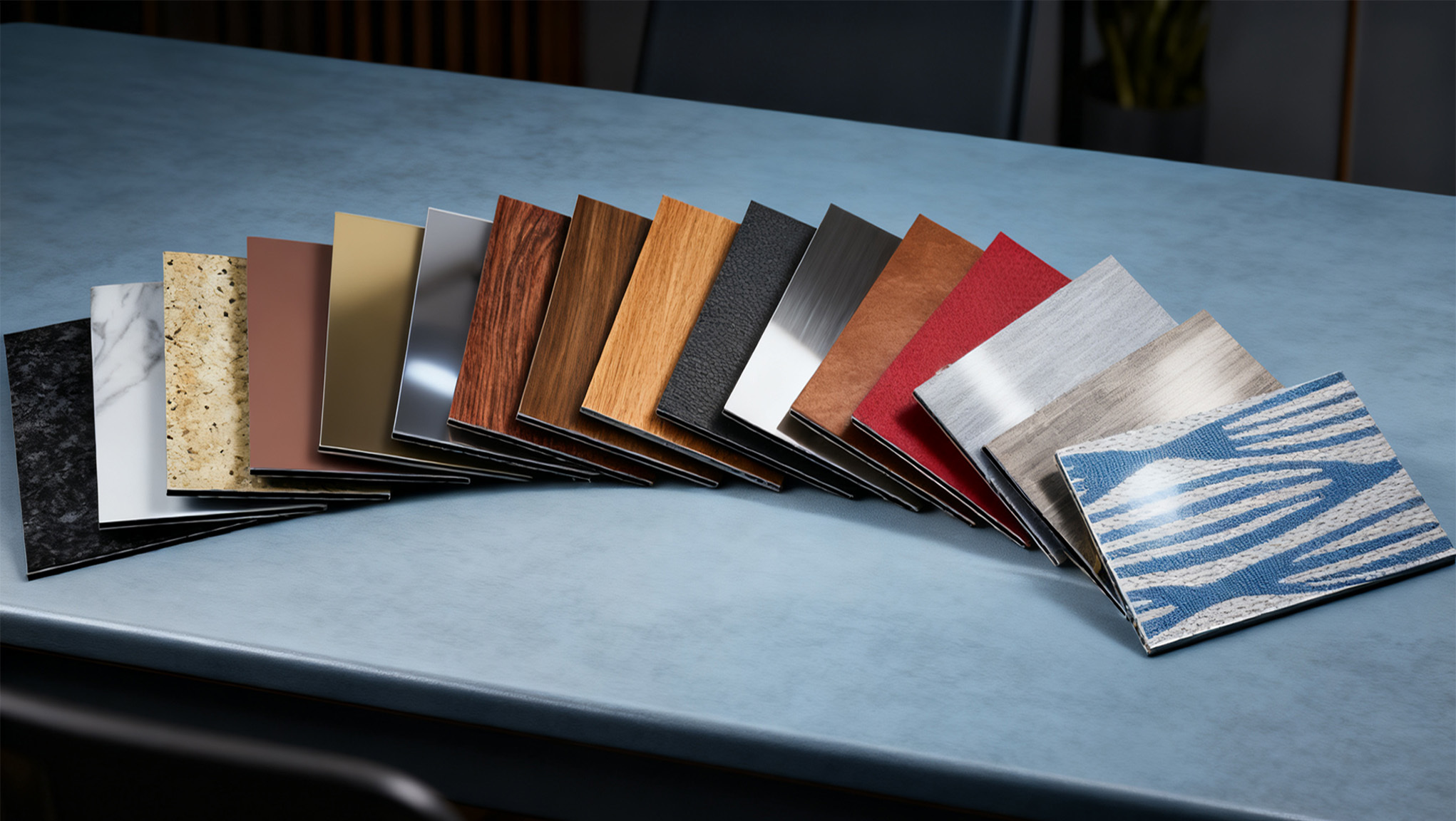


Technical Insight: How PVDF Coating Technology Resolves Degradation and Color Fading in Desert Commercial Facades
2026-10-24
.gtr-container-x7k2m {
font-family: Verdana, Helvetica, "Times New Roman", Arial, sans-serif;
font-size: 14px;
color: #1f2733;
line-height: 1.6;
max-width: 100%;
box-sizing: border-box;
padding: 8px 4px;
}
.gtr-container-x7k2m *,
.gtr-container-x7k2m *::before,
.gtr-container-x7k2m *::after {
box-sizing: border-box;
}
.gtr-container-x7k2m .gtr-h2-x7k2m {
font-size: 18px;
font-weight: bold;
color: #3176FF;
line-height: 1.4;
margin: 28px 0 12px 0;
padding: 0 0 8px 0;
border-bottom: 2px solid #d6e3ff;
letter-spacing: 0.2px;
}
.gtr-container-x7k2m .gtr-h2-x7k2m:first-child {
margin-top: 0;
}
.gtr-container-x7k2m p {
font-size: 14px;
line-height: 1.6;
text-align: left;
margin: 0 0 14px 0;
color: #1f2733;
}
.gtr-container-x7k2m strong {
font-weight: bold;
color: #1b4fc4;
}
.gtr-container-x7k2m ul,
.gtr-container-x7k2m ol {
list-style: none !important;
margin: 0 0 16px 0;
padding: 0 0 0 22px;
}
.gtr-container-x7k2m ul li,
.gtr-container-x7k2m ol li {
position: relative;
padding: 0 0 0 4px;
margin: 0 0 12px 0;
font-size: 14px;
line-height: 1.6;
}
.gtr-container-x7k2m ul li::before {
content: "•" !important;
position: absolute !important;
left: -18px !important;
top: 0;
color: #3176FF;
font-weight: bold;
font-size: 15px;
line-height: 1.6;
}
.gtr-container-x7k2m ol li::before {
content: counter(list-item) "." !important;
position: absolute !important;
left: -22px !important;
top: 0;
color: #3176FF;
font-weight: bold;
font-size: 14px;
line-height: 1.6;
}
.gtr-container-x7k2m ul li p,
.gtr-container-x7k2m ol li p {
margin: 0;
}
.gtr-container-x7k2m .gtr-math-x7k2m {
color: #1b4fc4;
font-weight: bold;
white-space: nowrap;
}
.gtr-container-x7k2m .gtr-table-wrap-x7k2m {
width: 100%;
overflow-x: auto;
margin: 0 0 16px 0;
}
.gtr-container-x7k2m table {
width: 100%;
border-collapse: collapse !important;
border-spacing: 0 !important;
border: 1px solid #c3d4f5 !important;
font-size: 14px !important;
margin: 0 !important;
}
.gtr-container-x7k2m table th,
.gtr-container-x7k2m table td {
border: 1px solid #c3d4f5 !important;
padding: 10px 12px !important;
text-align: left !important;
vertical-align: top !important;
font-size: 14px !important;
line-height: 1.6 !important;
word-break: normal !important;
overflow-wrap: break-word !important;
}
.gtr-container-x7k2m table th {
background-color: #eaf1ff !important;
color: #1b4fc4 !important;
font-weight: bold !important;
}
.gtr-container-x7k2m table tr:hover td {
background-color: #f5f8ff !important;
}
@media (min-width: 768px) {
.gtr-container-x7k2m {
padding: 12px 8px;
}
.gtr-container-x7k2m .gtr-h2-x7k2m {
font-size: 18px;
margin: 34px 0 14px 0;
}
.gtr-container-x7k2m p {
margin: 0 0 16px 0;
}
}
Material Challenges for Commercial Facades in Desert Environments
In desert and arid regions, commercial building facades are continuously exposed to severe environmental conditions. Intense ultraviolet (UV) radiation, drastic diurnal temperature variations, and wind-blown sand place stringent demands on the physical and chemical stability of exterior cladding materials. Standard coatings often suffer from polymer degradation and chemical bond cleavage under long-term UV exposure, leading to surface chalking, coating peeling, and severe color fading.
For commercial facade projects, color inconsistency and coating deterioration not only compromise architectural aesthetics but also significantly increase long-term maintenance and replacement costs. Consequently, selecting cladding materials with superior weatherability and color retention is a primary concern for facade contractors and architects.
PVDF Coating Technology: A Molecular Barrier Against UV Degradation
To withstand intense solar radiation in desert climates, Polyvinylidene Fluoride (PVDF) resin coatings are widely implemented on the surface of Aluminum Composite Panels (ACP). PVDF features robust Fluorine-Carbon (F-C) bonds with a bond energy of approximately 485 kJ/mol, which substantially exceeds the energy level of ultraviolet rays. This stable molecular configuration provides exceptional resistance to photo-oxidation and UV degradation.
Utilizing a 50/50 PVDF coating system compliant with AAMA 2605 standards creates a dense protective barrier that resists light exposure, dry heat, and abrasive sand erosion.
Parametric Evidence: Weathering Performance and Empirical Verification
When evaluating materials for extreme climates, selection must rely on standardized testing metrics to ensure long-term performance stability:
UV Weathering Resistance: Subjected to 4000 hours of ISO 11507 / QUV accelerated weathering tests, the color variation is strictly maintained within ΔE < 2.0, ensuring visual uniformity under prolonged solar exposure.
Interlayer Adhesion & Peel Strength: Compliant with AAMA 2605 specifications, the 180° peel strength achieves ≥ 10.0 N/mm, preventing delamination caused by severe thermal expansion cycles.
Operating Temperature Range: Physical properties remain stable across a broad temperature range of -50°C to 80°C, fully covering desert climate thermal extremes.
Material Selection and Engineering Recommendations for Facades
For commercial facade projects and building renovations in desert regions, procurement teams should verify the following parameters:
Structural Specifications: Prefer 4mm thickness panels (0.5mm aluminum skin + 3mm core + 0.5mm back skin) to ensure flexural rigidity against high wind loads.
Fire Safety Integration: Align with high-rise fire codes by selecting non-combustible mineral core panels (fire-retardant polymers combined with aluminum/magnesium hydroxide) meeting EN 13501-1 Class A2 standards.
Batch Uniformity Control: Request batch-matched coating certificates from suppliers to eliminate color variations across large-scale installations.
By applying high-specification PVDF aluminum composite panels, commercial facades maintain long-term structural integrity and aesthetic consistency in harsh desert environments while minimizing lifecycle maintenance costs.
View More
Eliminating Delamination During Fabrication: High Peel Strength Brushed ACP for Complex Architectural Geometries
2026-10-06
/* Random Suffix: 1a2b3c */
.gtr-container-1a2b3c {
font-family: Verdana, Helvetica, "Times New Roman", Arial, sans-serif;
color: #333;
line-height: 1.6;
padding: 15px;
box-sizing: border-box;
font-size: 14px;
}
.gtr-container-1a2b3c p {
margin-bottom: 1em;
text-align: left !important;
font-size: 14px;
}
.gtr-container-1a2b3c .gtr-title {
font-size: 18px;
font-weight: bold;
color: #3176FF;
margin-bottom: 1em;
padding-bottom: 0.5em;
border-bottom: 1px solid #e0e0e0;
}
.gtr-container-1a2b3c .gtr-subtitle {
font-size: 16px;
font-weight: bold;
color: #555;
margin-top: 1.5em;
margin-bottom: 0.8em;
}
.gtr-container-1a2b3c ul {
list-style: none !important;
padding-left: 25px !important;
margin-bottom: 1em;
}
.gtr-container-1a2b3c ul li {
position: relative !important;
margin-bottom: 0.5em !important;
padding-left: 15px !important;
font-size: 14px;
list-style: none !important;
}
.gtr-container-1a2b3c ul li::before {
content: "•" !important;
color: #3176FF !important;
position: absolute !important;
left: 0 !important;
font-size: 1.2em !important;
line-height: 1 !important;
}
.gtr-container-1a2b3c sup.superscript {
vertical-align: super;
font-size: 0.7em;
line-height: 0;
}
@media (min-width: 768px) {
.gtr-container-1a2b3c {
padding: 25px;
}
.gtr-container-1a2b3c .gtr-title {
font-size: 20px;
}
.gtr-container-1a2b3c .gtr-subtitle {
font-size: 18px;
}
}
Delamination and Cracking Challenges in Complex Architectural Fabrication
In modern architectural applications featuring curved column covers, angled soffits, and non-linear complex facades, aluminum composite panels (ACP) undergo intensive secondary processing, such as V-grooving, roll bending, and 90-degree folding. When composite panels exhibit insufficient adhesive bonding or poor core flexibility, routing and bending frequently lead to skin-to-core delamination and surface coating cracking. This failure compromises facade weatherproofing and structural integrity while increasing material wastage. Specifying high peel-strength brushed panels capable of withstanding severe mechanical deformation is critical for fabrication teams.
Engineering Parameters for Peel Strength and Workability
Macromolecular Adhesive Film and Peel Strength Standards
Premium brushed ACP utilizes high-performance macromolecular resin adhesive films applied during continuous thermal lamination. Tested according to ASTM D903 / GB/T 17748 standards, the panel achieves a 180° peel strength of ≥ 7 N/mm. This interface adhesion ensures that when the panel is deep-routed (leaving a residual core of 0.2 mm - 0.4 mm) and folded, the aluminum skins remain bonded to the core, preventing edge delamination along crease lines.
Aluminum Ductility and Coating Flexibility (T-Bend)
To accommodate tight radius bending, the exterior skin utilizes AA3003 or AA5005 aluminum alloys balancing tensile strength and elongation. The applied surface coating (PE or PVDF) meets a coating flexibility rating of ≤ 2T bend (ASTM D522) and an adhesion rating of ≤ 1 Class (AAMA 605-02). This ensures that during folding or roll-forming, the brushed surface texture and protective clear coat remain intact without micro-cracking or flaking.
Selection Matrix and Field Processing Best Practices
For complex architectural elevations requiring extensive fabrication, specifiers should select a 4 mm total panel thickness with an aluminum skin thickness of ≥ 0.30 mm. Field grooving should be executed using 90° to 110° carbide-tipped V-groove cutters, maintaining a residual core thickness of approximately 0.3 mm. Utilizing protective film during handling ensures crisp architectural folds and reliable long-term structural integrity.
View More
Tight-Tolerance Brushed ACP Delivers Flush Joint Flatness for Large High-Rise Exterior Wall Panels
2026-10-06
.gtr-container-f7e9d2c3b0a1 {
font-family: Verdana, Helvetica, "Times New Roman", Arial, sans-serif;
color: #333;
line-height: 1.6;
padding: 20px;
box-sizing: border-box;
}
.gtr-container-f7e9d2c3b0a1 p {
font-size: 14px;
margin-bottom: 1em;
text-align: left;
}
.gtr-container-f7e9d2c3b0a1 .gtr-heading {
font-size: 18px;
font-weight: bold;
color: #3176FF;
margin-top: 1.5em;
margin-bottom: 0.8em;
padding-bottom: 5px;
border-bottom: 1px solid #e0e0e0;
}
.gtr-container-f7e9d2c3b0a1 ul {
list-style: none !important;
padding-left: 20px !important;
margin-bottom: 1em;
}
.gtr-container-f7e9d2c3b0a1 ul li {
position: relative !important;
padding-left: 15px !important;
margin-bottom: 0.5em !important;
font-size: 14px !important;
text-align: left !important;
list-style: none !important;
}
.gtr-container-f7e9d2c3b0a1 ul li::before {
content: "•" !important;
position: absolute !important;
left: 0 !important;
color: #3176FF !important;
font-size: 1.2em !important;
line-height: 1 !important;
}
@media (min-width: 768px) {
.gtr-container-f7e9d2c3b0a1 {
padding: 30px 50px;
}
}
Ensuring Flush Joint Flatness on Large Wall Panels: Precision-Toleranced Brushed ACP in High-Rise Exterior Cladding
Joint Alignment and Flatness Challenges in High-Rise Facades
In modern high-rise architecture and expansive public infrastructures, large-format brushed aluminum composite panel (ACP) facades often encounter cumulative dimensional errors during grid installation. Under direct sunlight, inadequate panel flatness gives rise to visually disruptive optical distortion, commonly known as "oil-canning," as well as misaligned panel joints. Furthermore, extreme high-altitude wind loads place rigorous demands on the flexural rigidity and bond integrity of composite panels. Achieving seamless panel alignment and long-term surface flatness while delivering a rich metallic brushed texture remains a key technical challenge for facade engineers.
Engineering Tolerances and Structural Rigidity Parameters
Thickness Tolerances and Geometric Precision
Premium curtain wall brushed ACP is manufactured using continuous thermal lamination integrated with real-time inline laser thickness control. For standard 4 mm or 5 mm facade panels with aluminum skin thicknesses of ≥ 0.30 mm, the overall thickness tolerance is strictly maintained within ±0.2 mm, and diagonal length tolerances are held within ±2.0 mm. This level of dimensional precision guarantees flush alignment along panel edges in unitized or stick curtain wall systems.
Composite Peel Strength and Wind Load Resistance
Large panel elevations must demonstrate superior rigidity against wind pressures at high altitudes. Formulated with high-performance macromolecular adhesive films, the panel achieves a 180° peel strength of ≥ 7 N/mm (tested according to ASTM D903). High flexural modulus prevents oil-canning and surface deflection under strong positive and negative wind loads, ensuring that the aluminum skins remain securely bonded to the core without risk of delamination.
Selection Matrix and Installation Best Practices for High-Rise Facades
To deliver uncompromised surface flatness and longevity on high-rise envelopes, specifiers should select 4 mm or 5 mm panels configured with PVDF coatings (fluorocarbon resin content ≥ 70%, dry film thickness ≥ 25 μm). The facade should incorporate a rainscreen or hook-on curtain wall mounting system with designed expansion joints, allowing thermal stress relief while preserving a flat, cohesive metallic building facade.
View More
Managing Thermal Expansion in Desert Climates: Structural Stability of Weather-Resistant Brushed ACM Facades
2026-10-05
.gtr-container-f7e9d2 {
font-family: Verdana, Helvetica, "Times New Roman", Arial, sans-serif;
color: #333;
line-height: 1.6;
padding: 20px;
max-width: 100%;
box-sizing: border-box;
}
.gtr-container-f7e9d2 p {
font-size: 14px;
margin-bottom: 1em;
text-align: left;
}
.gtr-container-f7e9d2 h2 {
font-size: 18px;
font-weight: bold;
color: #3176FF;
margin-top: 2em;
margin-bottom: 1em;
padding-bottom: 5px;
border-bottom: 1px solid #e0e0e0;
}
.gtr-container-f7e9d2 h3 {
font-size: 16px;
font-weight: bold;
color: #3176FF;
margin-top: 1.5em;
margin-bottom: 0.8em;
}
.gtr-container-f7e9d2 ul {
list-style: none !important;
padding-left: 25px !important;
margin-bottom: 1em;
}
.gtr-container-f7e9d2 ul li {
position: relative !important;
padding-left: 20px !important;
margin-bottom: 0.5em !important;
font-size: 14px;
list-style: none !important;
}
.gtr-container-f7e9d2 ul li::before {
content: "•" !important;
color: #3176FF !important;
position: absolute !important;
left: 0 !important;
font-size: 1.2em !important;
line-height: 1 !important;
}
.gtr-container-f7e9d2 .section-title {
font-size: 18px;
font-weight: bold;
color: #3176FF;
margin-top: 2em;
margin-bottom: 1em;
padding-bottom: 5px;
border-bottom: 1px solid #e0e0e0;
}
.gtr-container-f7e9d2 .subsection-title {
font-size: 16px;
font-weight: bold;
color: #3176FF;
margin-top: 1.5em;
margin-bottom: 0.8em;
}
@media (min-width: 768px) {
.gtr-container-f7e9d2 {
padding: 30px 50px;
}
}
Physical Challenges of Building Facades in Desert and Arid Climates
In regions such as the Middle East, North Africa, and coastal deserts, building exteriors are exposed to severe environmental stressors: diurnal temperature fluctuations exceeding 40°C, intense ultraviolet (UV) radiation, and continuous wind-blown sand abrasion. Under repeated thermal expansion and contraction cycles, standard architectural claddings frequently experience skin delamination, coating chalking, and joint misalignment. Ensuring long-term structural integrity and weather resistance in brushed aluminum composite panels (ACM) while maintaining an authentic metallic aesthetic is a primary design objective.
Engineering Design and Parametric Support of Weather-Resistant Brushed ACP
Thermal Expansion Compatibility and Peel Strength
Weather-resistant brushed ACP utilizes AA3003 or AA5005 high-tensile aluminum skins bonded to density-optimized core materials. Engineered to operate reliably within a temperature envelope of -50°C to +80°C, the composite structure withstands significant thermal shock. Utilizing macromolecular adhesive films under heat lamination, the panel maintains a 180° peel strength of ≥ 7 N/mm (tested via ASTM D903), preventing delamination caused by accumulated thermal stresses.
PVDF Coating Performance Against UV and Sand Abrasion
To combat harsh UV exposure and abrasive dust, exterior brushed panels require a PVDF finish with a fluorocarbon resin content of ≥ 70% and a dry film thickness of ≥ 25 μm. Capable of enduring over 1,000 hours of Salt Spray Testing (ASTM B117), the hard, clear protective topcoat prevents dirt accumulation in the brushed grooves and resists surface degradation from wind-borne sand.
Selection Matrix and Installation Practices for Arid Environments
For desert exterior facades, specifiers should select 4 mm or 5 mm total panel thickness with aluminum skins of ≥ 0.30 mm. Maintaining a strict thickness tolerance within ±0.2 mm combined with open-joint or ventilated curtain wall framing allows thermal movement, preserving flush, flat paneling across large elevations.
Topic 2: Tackling Surface Abrasions in Elevator Cabins: High-Hardness Brushed Panels for Interior Wall Protection
Interior Wall Vulnerabilities in High-Traffic Elevator Environments
Elevator cabins in commercial office buildings, high-end residences, and transit hubs represent high-traffic environments subject to frequent impact and abrasion from luggage, carts, and passenger contact. Traditional polished metals and standard wall finishes quickly exhibit visible scratches, fingerprint smudges, and dents, resulting in high maintenance costs. Brushed aluminum composite panels (ACM) are increasingly specified due to their texture-masking capabilities and lightweight characteristics, provided their surface hardness and wear resistance meet rigorous standards.
Technical Engineering of Anti-Scratch and Anti-Fingerprint Brushed ACP
Surface Hardness and Abrasion Resistance Metrics
High-hardness brushed ACP engineered for elevator interiors incorporates a hardened Polyester (PE) or nano-anti-fingerprint clear protective coat. Achieving a pencil hardness rating of ≥ 2H under ASTM D3363 testing, the surface resists physical scuffs from everyday contact. Additionally, the coating withstands over 1,000 cycles of falling abrasive/brushing tests under 1 kg/cm² pressure (ASTM D968-93), preserving the integrity of the brushed grain during maintenance.
Anti-Fingerprint Properties and Chemical Cleanability
The low surface energy of the protective clear coat minimizes oil adhesion, reducing fingerprint visibility. The surface withstands routine sanitization using mild detergents or industrial solvents (demonstrating resistance over 100 rubs with Xylene/MEK under ASTM D1308 without film degradation), fulfilling strict public hygiene and maintenance protocols.
Material Selection Matrix and Fabrication Benefits for Elevator Cabins
For elevator interiors, 3 mm thick brushed panels with a high-impact resistance (50 kg·cm impact without cracking or depainting) are recommended. The lightweight design reduces overall cabin payload, easing traction motor demand. Excellent secondary workability allows seamless field routing, V-grooving, bending, and adhesive bonding, delivering precise corner joints and smooth interior surfaces.
View More
Meeting Strict Fire Safety Compliance: B1/A2 Grade Fireproof Brushed Composite Panels for Public Infrastructure
2026-10-04
.gtr-container-xyz123 {
font-family: Verdana, Helvetica, "Times New Roman", Arial, sans-serif;
color: #333;
line-height: 1.6;
padding: 20px;
box-sizing: border-box;
font-size: 14px;
}
.gtr-container-xyz123 p {
margin-bottom: 1em;
text-align: left;
font-size: 14px;
}
.gtr-container-xyz123 .gtr-heading {
font-size: 18px;
font-weight: bold;
color: #3176FF;
margin-top: 1.5em;
margin-bottom: 0.8em;
padding-bottom: 5px;
border-bottom: 1px solid #e0e0e0;
}
.gtr-container-xyz123 ul {
list-style: none !important;
padding-left: 25px !important;
margin-bottom: 1em;
}
.gtr-container-xyz123 ul li {
position: relative !important;
margin-bottom: 0.5em !important;
padding-left: 15px !important;
font-size: 14px;
list-style: none !important;
}
.gtr-container-xyz123 ul li::before {
content: "•" !important;
color: #3176FF !important;
position: absolute !important;
left: 0 !important;
font-size: 1.2em !important;
line-height: 1 !important;
}
.gtr-container-xyz123 ul li p {
display: inline;
margin: 0;
font-size: 14px;
list-style: none !important;
}
@media (min-width: 768px) {
.gtr-container-xyz123 {
padding: 30px;
}
}
Fire Safety Compliance Challenges in Public Infrastructure Projects
In the construction and renovation of public facilities such as airports, transit hubs, hospitals, and commercial complexes, material fire performance represents the core benchmark for regulatory compliance. Traditional decorative sheet metals or standard polyethylene-core aluminum composite panels often fail stringent building safety codes (such as EN 13501-1 or ASTM E84) due to toxic smoke generation, flaming droplets, and insufficient fire resistance. Architectural specifiers and contractors face a primary selection challenge: maintaining the premium aesthetic of a brushed metallic finish while ensuring the material strictly meets B1 (fire-retardant) or A2 (non-combustible) safety standards.
Structural Composition and Material Engineering of Fireproof Brushed ACP
Fire-retardant brushed aluminum composite panels (Brushed ACP/ACM) incorporate modified mineral-filled cores to achieve high-tier fire resistance without compromising the surface mechanical brushed texture.
Core Material Modification and Fire Ratings
B1 Grade Fire-Retardant Core: Engineered with polyethylene blended with high concentrations of inorganic fire retardants such as Aluminum Trihydrate (ATH). Under elevated temperatures, it releases chemically bound water to absorb heat, effectively suppressing flame spread and preventing toxic smoke or dripping.
A2 Grade Non-Combustible Core: Formulated with over 90% inorganic mineral content. It yields an extremely low gross calorific value (PCS) under ASTM E84 / EN 13501-1 testing, fulfilling the most rigorous non-combustibility requirements for high-rise facades and critical public infrastructure.
Mechanical Adhesion and Dimensional Tolerances
Specifications & Tolerances: Standard panels for public projects feature a total thickness of 4 mm with aluminum skin thicknesses ranging from 0.30 mm to 0.50 mm. Thickness tolerance is strictly maintained within ±0.2 mm to guarantee seamless panel alignment.
Structural Integrity: Despite high inorganic mineral loading, the composite panel retains high 180° peel strength (≥ 7 N/mm according to ASTM D903), preventing delamination between the aluminum skin and the core during routing, grooving, and bending operations.
Selection Matrix and Application Guidelines for Infrastructure Projects
Matching Material Configurations to Operating Conditions
Interior High-Traffic Areas (Corridors, Elevator Halls, Terminal Gates): A 3 mm to 4 mm B1-grade core with an anti-fingerprint Polyester (PE) or protective clear coat is recommended. Achieving a pencil hardness of ≥ 2H, the surface offers scratch resistance and low maintenance.
Exterior Facades and Soffits: An A2-grade non-combustible core paired with a PVDF coating (fluorocarbon resin content ≥ 70%) is required. With a dry film thickness of ≥ 25 μm, the coating withstands over 1,000 hours of Salt Spray Testing (ASTM B117) and acid rain exposure, ensuring long-term color and structural stability.
View More